
Indoor Air Quality in Winter: Why It Matters More in January
Sunday January 4, 2026
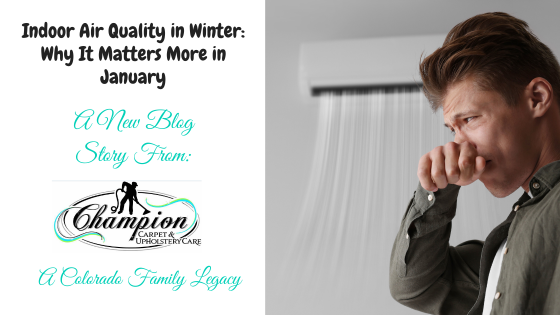
January is when most families feel it. The stale air. The lingering coughs. The sense that everyone has been inside a little too long. With windows closed and heaters running nonstop, the air inside your home works a lot harder this time of year.
And in winter, indoor air quality matters more than most people realize.
Why Winter Traps Air Inside Your Home
During colder months, homes are sealed tight to keep heat in. While that helps with comfort and energy efficiency, it also means fresh air circulation drops dramatically.
In January, indoor air often contains:
-
Dust and dust mites
-
Pet dander
-
Pollen tracked in on winter gear
-
Mold spores from moisture and snow
-
Residue from cleaning products and fragrances
With fewer opportunities for fresh air exchange, these particles build up and linger.
How Winter Living Impacts Air Quality
January routines naturally create more indoor pollutants.
Consider how winter life looks:
-
More people spending more time inside
-
Heaters blowing air through vents and ductwork
-
Pets staying indoors longer
-
Wet boots, coats, and snow gear drying inside
-
Increased use of candles and cooking
All of this contributes to what you are breathing every day, especially in shared family spaces.
The Hidden Role of Carpets and Upholstery
Carpets and upholstered furniture act like giant filters. They trap airborne particles that eventually resurface with movement, foot traffic, and vacuuming.
Over time, these surfaces can hold:
-
Dust and allergens
-
Pet hair and dander
-
Bacteria and germs
-
Odors from moisture, food, and pets
Regular vacuuming helps, but it does not remove what settles deep in fibers.
How Professional Cleaning Improves Indoor Air Quality
Professional carpet and upholstery cleaning does more than improve appearance. It removes buildup that contributes to poor indoor air.
Benefits include:
-
Extracting deeply embedded dust and allergens
-
Reducing odor causing particles
-
Removing moisture that can lead to mold growth
-
Supporting healthier air circulation
In January, when homes stay closed up, this kind of reset can make a noticeable difference.
Simple Ways to Support Healthier Winter Air
Professional cleaning works best alongside small daily habits.
Helpful winter air quality practices include:
-
Removing shoes at the door
-
Vacuuming high traffic areas regularly
-
Changing HVAC filters as recommended
-
Allowing brief ventilation on milder days
-
Managing moisture from snow and humidity
None of these need to be perfect to be effective.
A Healthier Home for a Long Winter Ahead
January is not just another winter month. It sets the tone for how your home feels through the rest of the season.
Cleaner carpets, refreshed upholstery, and mindful habits create a healthier environment for everyone. Less irritation. Fewer lingering odors. A space that feels easier to breathe in.
Indoor air quality is not something you see, but in winter, you feel it. Supporting it now helps your home work better for you when you need it most.
Champion Carpet, Carpet Cleaning
A Colorado Family Legacy for over a quarter century
Champion Carpet cleaning has been serving Colorado families and business with superior customer service. Our quality speaks for itself and when coupled with our family values you will see why some of our customers have relied on us for decades. It's so clean you will feel like a Champion!

bchauveau
Categories
Recent Posts
Popular Tags
cotton house cleaning wine stain clean carpet happy home inspiration urine stains dirty shoes Thanksgiving carpet and padArchives
Subscribe
